Menu
100% Satisfaction or It's FREE!
Pet accidents are a common challenge in many homes, even with well-trained pets. Whether it is a new puppy, a senior pet, or an unexpected change in routine, accidents can happen quickly and often when least expected. What matters most is not the accident itself, but how it is handled in the moments that follow.
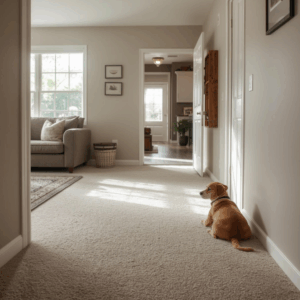
Carpet fibers absorb moisture fast, allowing pet urine and other messes to sink below the surface in a short amount of time. When this happens, odors can become trapped in the padding and backing, making them difficult to remove later. Even if the carpet looks clean on top, lingering smells may remain hidden underneath.
Many homeowners try to solve the problem with quick fixes like scrubbing or using strong cleaners. While these efforts are well intentioned, they can sometimes spread the mess, push it deeper into the carpet, or leave behind residues that attract dirt and hold odors.
Understanding how pet accidents affect carpet is the first step toward proper cleanup. In this guide, we will walk through what to do immediately after an accident, common mistakes to avoid, and when professional pet stain and odor removal becomes the best solution.
Pet accidents cause more than surface stains because of how carpet is constructed. Carpet fibers are designed to be soft and absorbent, which makes them comfortable underfoot but also allows liquids to travel downward quickly. Once moisture moves below the surface, it becomes much harder to remove.
This is why pet odors often linger even after the carpet looks clean.
When a pet accident happens, liquid spreads fast through the carpet. Gravity and absorption work together, pulling moisture away from the surface.
As this happens:
Blotting too late allows the accident to settle deeper into the carpet structure.
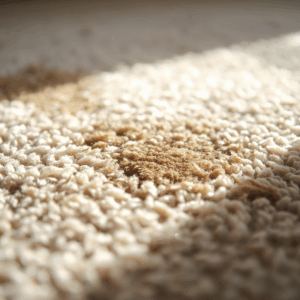
Carpet padding is highly absorbent and rarely dries quickly on its own. Once pet urine reaches the padding, odors can remain trapped long after surface cleaning.
This is why homeowners often notice:
Surface cleaning alone cannot fully address problems that reach the padding.
Many people instinctively scrub stains, but this can spread the accident and force moisture deeper.
Scrubbing may:
Gentle blotting is always more effective than aggressive scrubbing.
Some pet accidents dry without leaving a strong stain, but odors may remain below the surface.
This often leads to:
Understanding how pet accidents behave explains why quick, correct action is essential.
In the next section, we will walk through how to blot and absorb a fresh pet accident properly, step by step, to prevent stains and odors from setting in.
Blotting is the most important step after a pet accident, yet it is also the most commonly done incorrectly. The goal is to absorb as much moisture as possible without spreading the stain or pushing liquid deeper into the carpet.
Doing this step correctly helps limit staining, reduces odor buildup, and improves the effectiveness of any follow-up cleaning.
Time matters when dealing with a fresh pet accident. The longer moisture sits, the deeper it travels into the carpet and padding.
Acting quickly helps:
Even a few extra minutes can change how difficult the stain becomes.
Always use absorbent materials that will pull moisture up, not push it down.
The best options include:
Avoid colored fabrics, which can transfer dye to the carpet.
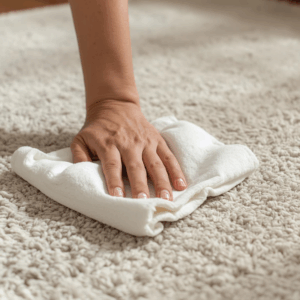
Blotting works by pressing down and lifting moisture out of the carpet fibers. Rubbing spreads the stain and forces liquid deeper.
Proper blotting means:
Continue until little to no moisture transfers to the towel.
Blotting from the edges toward the center prevents the stain from spreading.
This helps:
This technique is especially important for larger accidents.
Over-blotting with damp towels can reintroduce moisture and undo progress.
Stop when:
At this point, the carpet is ready for the next step in the cleaning process.
In the next section, we will explain which household products are safe to use, which ones to avoid, and why some common cleaners can actually make pet odors worse.
After blotting up as much moisture as possible, many homeowners reach for household cleaners. While some products can help at this stage, others can actually make pet odors harder to remove by setting stains or leaving residue behind.
Knowing what to use and what to avoid protects your carpet and prevents odor problems from getting worse.
Harsh cleaners often promise fast results, but they can create new problems below the surface.
Strong products may:
Once residue remains in the carpet, odors can return even after repeated cleanings.
Simple solutions work best immediately after a pet accident.
Safer options include:
Always test a small, hidden area before applying anything to a visible spot.
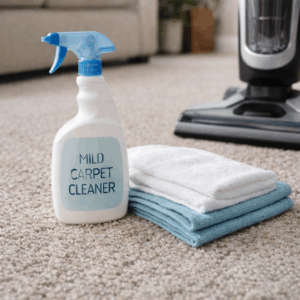
Some common household items can make stains and odors worse.
Avoid using:
These products may temporarily reduce smell but often cause it to return stronger later.
Many cleaners focus on the surface and do not reach the padding where odors live.
This often results in:
Without addressing the source, odor problems remain unresolved.
Understanding which cleaners help and which harm allows you to make better choices after a pet accident. In the next section, we will explain when home cleanup is enough and when professional pet stain and odor removal becomes necessary.
Even when a pet accident seems small, odors can travel deeper than expected. Once moisture reaches the carpet padding, the smell often becomes harder to remove with basic home cleaning. Recognizing these signs early can help prevent repeat issues and unnecessary frustration.
A common sign of padding contamination is a smell that disappears after cleaning but comes back later.
This often happens:
Temporary odor relief usually means the source was not fully removed.
Humidity can reactivate odors trapped in carpet padding. Moisture in the air draws smells back to the surface.
You may notice:
This reaction often indicates moisture trapped below the carpet.
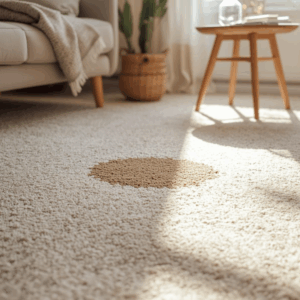
Pets are sensitive to scent, even when humans cannot detect it.
Warning signs include:
This behavior usually means odor remains beneath the surface.
Some pet stains resurface days or weeks later as hidden moisture moves upward.
This can look like:
These signs point to deeper saturation in the padding.
Recognizing when odors reach the padding explains why some pet accidents need more than basic cleaning. In the next section, we will cover when professional pet stain and odor removal is the most effective option.
Some pet accidents can be handled with careful at-home cleanup, but others require professional attention. When odors sink into the carpet padding or continue returning, professional pet stain and odor removal becomes the most reliable solution.
Understanding when to make that call can save time, frustration, and prevent long-term carpet damage.
If a pet continues to have accidents in the same spot, odor is often the cause.
This usually means:
Professional cleaning targets the hidden layers where odors linger.
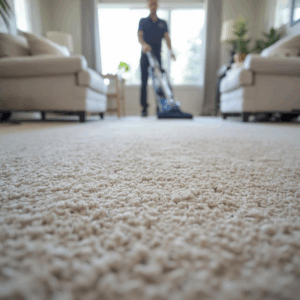
Some smells persist no matter how much cleaning is done.
Warning signs include:
These cases typically involve contamination beyond the surface fibers.
Accidents that happened weeks or months ago are harder to treat at home.
Older issues often involve:
Professional equipment is designed to reach these deeper layers safely.
Improper cleaning methods can damage carpet fibers or leave residues behind.
Professional services help:
This is especially important in homes with children or multiple pets.
Knowing when professional help is needed prevents repeated cleanups and recurring odors. In the next section, we will explain how professional pet stain and odor removal works and what homeowners can expect from the process.
Knowing what happens during professional pet stain and odor removal helps homeowners feel confident about the process. Professional cleaning focuses on eliminating the source of the odor, not just improving how the carpet looks on the surface.
The goal is long-term odor control while protecting carpet fibers and padding.
The process begins with identifying where the odor is coming from and how deep it has traveled.
This typically includes:
This step ensures the treatment targets the real problem.
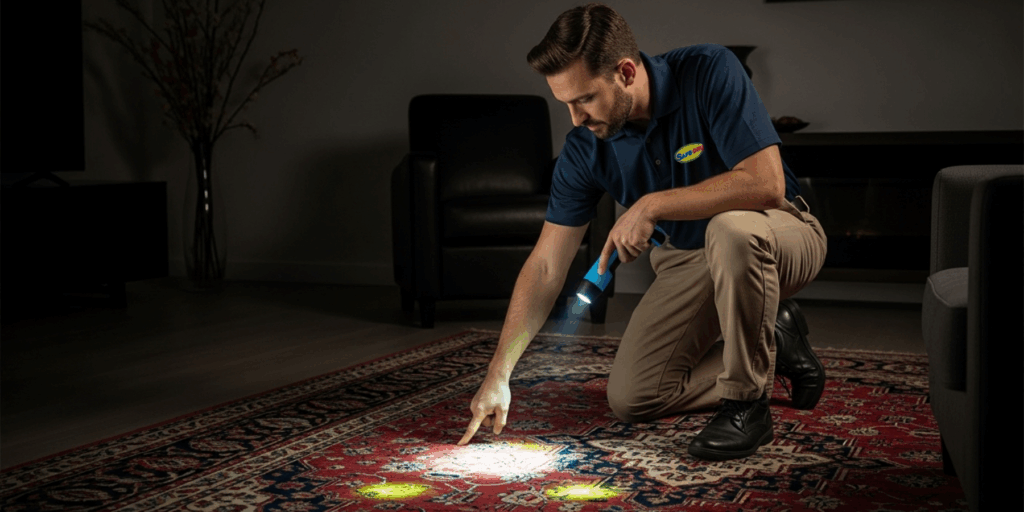
Professional pet odor removal uses specialized solutions designed to break down odor-causing compounds.
These treatments work by:
Targeted treatment prevents unnecessary cleaning of unaffected areas.
Effective odor removal requires depth, but not excess moisture.
Professional methods focus on:
This helps reduce the risk of odors returning after cleaning.
After treatment, the area is evaluated to ensure odor reduction is successful.
This includes:
This final step helps ensure expectations are met.
Preventing future pet accidents is just as important as cleaning up existing ones. While no home is completely accident-proof, a few proactive steps can greatly reduce repeat issues and protect your carpet long term.
Consistency and awareness play a major role in prevention.
Pets are more likely to return to areas where they can still detect scent.
Prevention starts with:
Removing scent at the source helps break the cycle of repeat accidents.
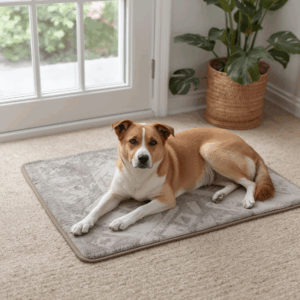
Routine carpet care helps prevent odor buildup and keeps accidents from becoming bigger problems.
Helpful habits include:
Regular maintenance keeps carpet fibers healthier and less absorbent.
Some accidents are behavioral, while others are health-related.
Consider:
Addressing the cause helps reduce future incidents.
Certain areas are more prone to accidents than others.
Preventive measures include:
These steps help minimize risk while maintaining a comfortable home.
Preventing future accidents protects both your carpet and your indoor comfort. In the next section, we will wrap up the guide with key takeaways and explain when scheduling professional pet stain and odor removal makes the most sense.
Pet urine can soak into the carpet padding, where odors remain trapped. When the carpet dries or humidity increases, the smell can rise back to the surface.
Blotting helps absorb fresh moisture, but it does not remove odors that have reached the padding. Additional cleaning or professional treatment may be needed.
Vinegar may reduce odor temporarily, but it often fails to eliminate the source and can cause smells to return stronger later.
The sooner you act, the better. Cleaning within minutes helps prevent moisture from spreading deeper into the carpet and padding.
Pets are drawn back to areas where scent remains. Even if humans cannot smell it, residual odor may still be present below the surface.
Some pet-safe cleaners help with fresh accidents, but many only treat the surface. Deep odors often require professional treatment.
When done correctly, professional cleaning helps protect carpet fibers and prevents damage caused by repeated scrubbing or harsh chemicals.
Most treatments are completed in a single visit, with drying times depending on the extent of the accident and carpet type.
Removing odor at the source reduces the chance of repeat accidents, but training and routine also play an important role.
If odors keep returning, stains reappear, or accidents happened weeks ago, professional pet stain and odor removal is often the best solution.
Pet accidents can feel overwhelming, but they do not have to become a long-term problem. Acting quickly, blotting correctly, and avoiding common cleaning mistakes can make a real difference in how well stains and odors are controlled. Understanding how accidents move below the carpet surface also helps explain why some smells return and why deeper treatment is sometimes necessary.
When odors reach the padding or continue coming back despite your best efforts, professional pet stain and odor removal provides a more reliable solution. Addressing the source of the problem protects your carpet, improves indoor comfort, and helps prevent repeat accidents caused by lingering scent.
If you are dealing with pet stains or odors that will not go away, now is the right time to take the next step. Schedule now to restore your carpet, eliminate odors at the source, and enjoy a cleaner, more comfortable home.